Googlebook Gemini laptop is an awkward name, an ambitious concept, and one of the clearest examples yet of Google trying to move AI from a feature layer to a device identity. That alone makes it more interesting than a normal laptop launch. Specs matter, yes. But Google is not leading with chips or battery graphs. It is leading with a worldview: a laptop should not just run software well. It should behave like a helpful, proactive computing surface built around Gemini.
That is not interpretation piled on top of a thin announcement. It is how Google framed the product on May 12, 2026, when it introduced Googlebook as a new category of laptops “designed for Gemini Intelligence.” The official post says Googlebooks are built with Gemini’s helpfulness at their core, work seamlessly with Android phones, and come with features like Magic Pointer for contextual suggestions and Create your Widget for prompt-built dashboards. Google also says first devices will come from partners including Acer, ASUS, Dell, HP, and Lenovo, with broader availability coming this fall.
So Googlebook Gemini laptop is not a Chromebook sequel in marketing clothes. It is Google’s argument that AI should reshape how a laptop feels moment to moment.
Table of Contents
- What Googlebook Actually Is
- How It Differs From a Normal Chromebook Story
- Where Googlebook Could Feel Genuinely Useful
- Practical Concerns Buyers Will Have
- Why Reaction Will Be About Control, Not Only Novelty
- Bottom Line
- FAQ
- Sources
What Googlebook Actually Is
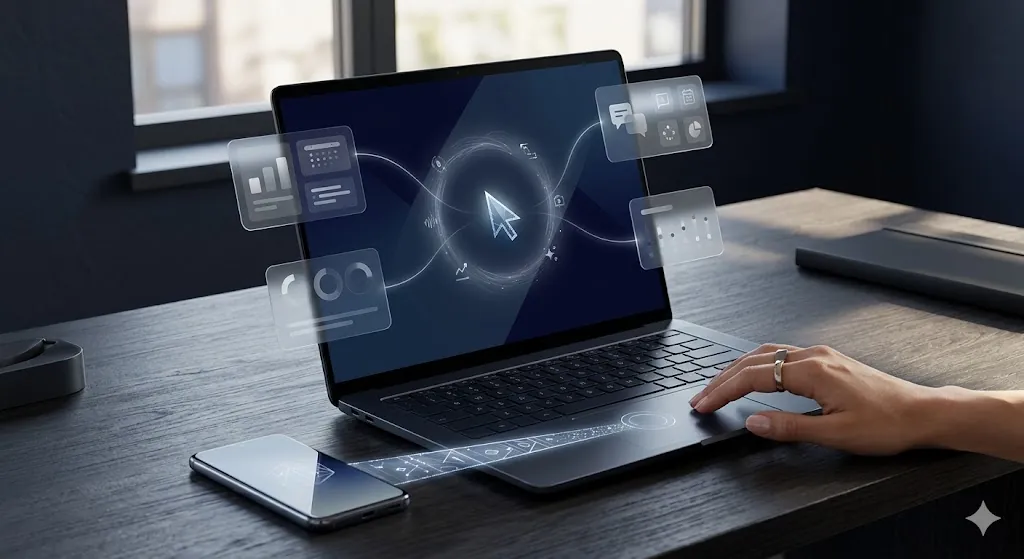
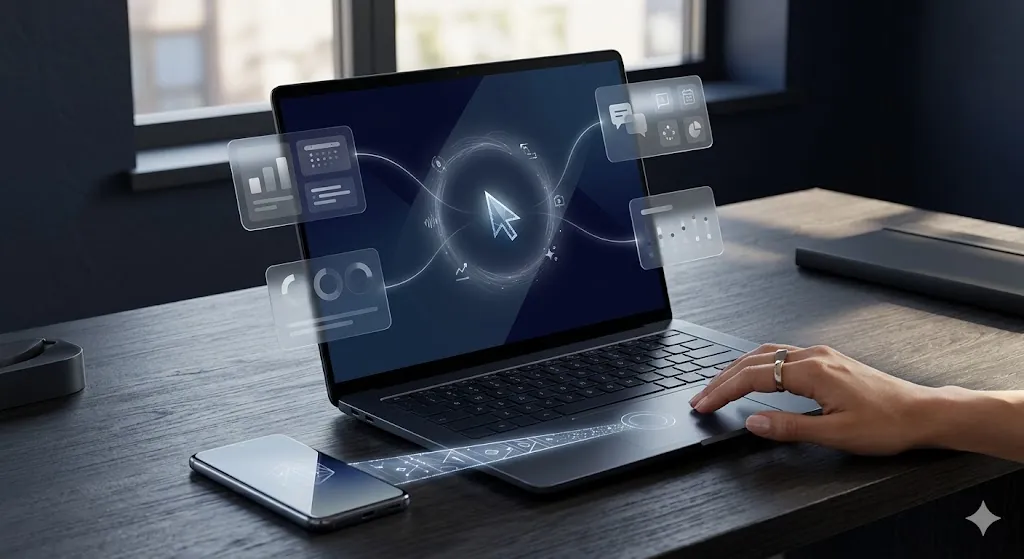
Google says Googlebook Gemini laptop is a new laptop category built from the ground up for Gemini Intelligence. The official article describes a shift from “operating system” to “intelligence system,” which sounds grand until you get to the concrete features. Magic Pointer, built with Google DeepMind, uses the cursor as an entry point for contextual suggestions. Point at a date in an email and it can help set up a meeting. Select two images and it can help visualize them together. Create your Widget lets users prompt Gemini to build a custom dashboard pulling from the web and Google apps like Gmail and Calendar.
Google also emphasizes continuity with phone life. Googlebook is built using part of the Android tech stack and is designed to work seamlessly with Android devices, including access to phone apps and files. Put simply, Google is trying to make the laptop feel less isolated and more like an active node in a personal workflow.
How It Differs From a Normal Chromebook Story
Chromebook’s pitch was historically clear: simple, cloud-first, browser-centric computing. Googlebook Gemini laptop adds a different kind of promise. It is less about a light operating system and more about ambient assistance layered into everyday input, organization, and cross-device behavior.
That distinction matters because it changes what buyers will evaluate. With Chromebook, the question was often performance versus price. With Googlebook, the question becomes whether the intelligence layer feels genuinely helpful or merely more present. That is a much harder thing to get right. It involves timing, restraint, and interface taste as much as technical capability.
Google’s own examples show this shift. Magic Pointer is not a separate app. Widget creation is not buried in a power-user menu. Both are pitched as part of everyday desktop behavior. Google wants AI to feel infrastructural.
Where Googlebook Could Feel Genuinely Useful
Best case for Googlebook Gemini laptop is routine work that currently dies by a thousand small cuts. Planning a trip, coordinating school events, building a lightweight research dashboard, comparing items visually, or picking up a task from a phone without manually reconstructing context all fit the official story well.
Magic Pointer in particular is worth watching because it targets one of the oldest assumptions in personal computing: the cursor is neutral. Google is betting the cursor can become a situational helper. If that feels fluid, it could make AI assistance more natural than sidebar chat windows ever did. If it feels noisy or unpredictable, it will become a feature users learn to ignore.
This also connects to a broader category shift. Simple AI Workflows argues that users embrace AI fastest when it removes repeat setup, not when it asks for one more destination app. Googlebook seems built around the same idea. If you want the browser version of that same idea, compare it with Gemini in Chrome on Android.
Practical Concerns Buyers Will Have
Official concept is bold, but market questions arrive fast. First is privacy and context. A laptop that offers proactive help has to read a situation correctly without feeling invasive. Google will need to show where data comes from, when suggestions are generated, and how easily users can tone that behavior down.
Second is precision. Laptops are work tools. People tolerate less confusion on them than on casual mobile surfaces. If Magic Pointer appears at the wrong moments or widget generation feels messy, “assistant-first” quickly starts sounding like “interrupt-first.”
Third is ecosystem lock. Googlebook clearly becomes strongest when a user already lives in Android and Google apps. That may be good news for Google loyalists and less compelling for people who mix ecosystems or want a more neutral laptop identity.
Finally, there is launch maturity. Google says more details and device availability will come later this year, with first partner hardware arriving in fall 2026. That means excitement is currently being built on concept and early feature framing, not on full hands-on buying information. Early adopters may be comfortable with that. Mainstream buyers usually are not.
Why Reaction Will Be About Control, Not Only Novelty
Public reaction to Googlebook Gemini laptop will likely center on a simple human test: does this feel like the laptop is helping me, or hovering over me? That is the heart of assistant-first computing. People like convenience right up until convenience starts deciding too much for them.
For general readers, that is the cleanest way to understand the whole product. The real question is not whether the hardware sounds futuristic. It is whether normal tasks feel lighter without the computer feeling nosier.
In that sense, Googlebook may become bigger than its sales numbers. It is a live experiment in whether AI can become native device behavior without becoming background annoyance. If users love it, more laptop makers will copy the approach. If users find it too eager, the industry learns the same lesson again: intelligence is easy to market and hard to make graceful.
Bottom Line
Googlebook Gemini laptop matters because it asks a bigger question than “is this new hardware good?” It asks whether a laptop can be designed around assistance itself. Google has real official ideas here: Magic Pointer, prompt-built widgets, Android continuity, partner hardware, and a fall 2026 launch window. Now it has to prove that assistant-first computing feels like momentum, not management.
FAQ
What is Googlebook Gemini laptop?
Googlebook Gemini laptop refers to Google’s new Googlebook category, announced on May 12, 2026, built around Gemini Intelligence and seamless Android integration.
How is Googlebook different from a Chromebook?
Googlebook is pitched less as a simple cloud laptop and more as an assistant-first device with proactive features like Magic Pointer and prompt-built widgets.
When will Googlebook laptops be available?
Google says devices from partners such as Acer, ASUS, Dell, HP, and Lenovo are expected to become available in fall 2026.