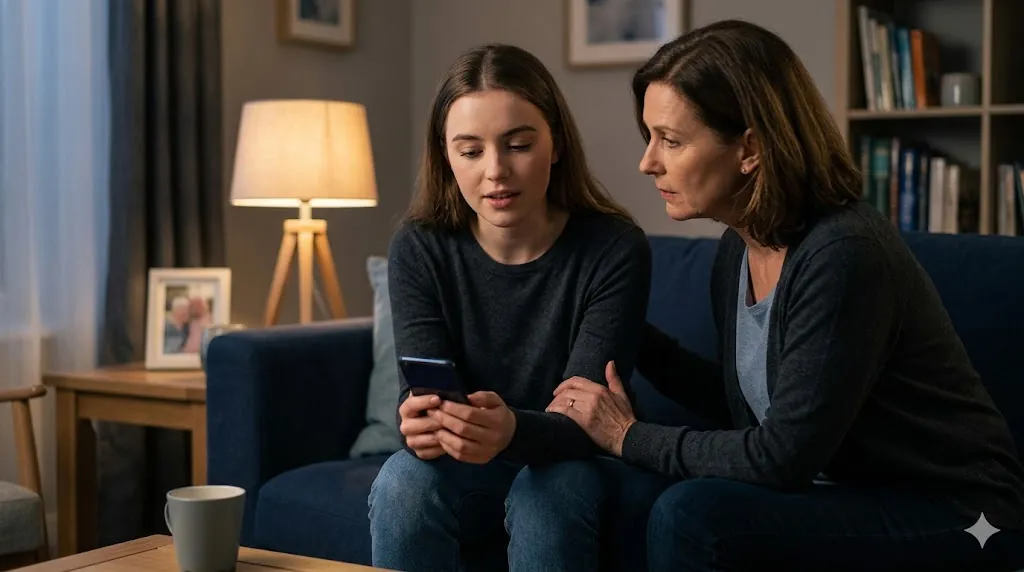
ChatGPT trusted contact is one of those features that looks small in the menu and huge in implication. OpenAI is not adding another productivity shortcut. It is adding a formal bridge from a private AI conversation to another human being in rare, high-risk moments. When a company does that, it is admitting something important about how its product is actually being used.
OpenAI announced the feature on May 7, 2026 and describes it as an optional safety feature for eligible adult personal accounts. Users can nominate one person they trust, and that person must accept the invitation within one week. If automated systems and trained human reviewers later determine that a conversation may indicate a serious safety concern related to suicide or self-harm, OpenAI may notify that contact and encourage them to check in. That is both narrower and more serious than many readers will assume at first glance.
- ChatGPT trusted contact is optional, limited to personal accounts, and rolling out gradually.
- OpenAI says each eligible user can add one adult trusted contact who must accept within one week.
- Notifications are limited, human-reviewed, and do not include chat transcripts.
- The feature will feel reassuring to some users and uncomfortably intimate to others, which is exactly why it matters.
Table of Contents
- What ChatGPT Trusted Contact Is
- How ChatGPT Trusted Contact Works
- What Gets Shared and What Does Not
- Why OpenAI Built It
- Why Reactions Will Split
- Bottom Line
- FAQ
- Sources
What ChatGPT Trusted Contact Is
ChatGPT trusted contact is an optional support feature, not an emergency service and not a replacement for mental health care. OpenAI says it is designed to help users connect with someone they already trust when they may need additional support. That person could be a friend, family member, or caregiver.
Put simply, this is OpenAI saying that some people now use ChatGPT in moments serious enough that another real person may need to be part of the picture. If you want a broader look at how personal AI tools are starting to diverge, ChatGPT, Claude, or Gemini? is useful background.
The eligibility details are worth stating clearly because vague coverage will confuse people. OpenAI says the feature is available for adults on personal ChatGPT accounts in most countries and territories, and it is not enabled in ChatGPT Business, Enterprise, or Edu workspaces. The company also notes a South Korea exception where the trusted contact must be 19 or older. Each account can have one trusted contact.
How ChatGPT Trusted Contact Works
The setup is intentionally structured. A user adds one person, must provide that person’s email, and is encouraged to add a phone number too. The invited person has one week to accept. If they decline, ignore the request, or are ineligible, the user has to choose someone else. This is not supposed to be a casual background toggle; OpenAI is nudging people to discuss the role in advance.
The intervention stage is narrower than some headlines may imply. According to OpenAI’s Help Center, automated monitoring looks for signs that a user may be talking about suicide in a way that indicates a serious safety concern. If the conversation is flagged, trained human reviewers assess it. OpenAI says ChatGPT will let the user know that it may notify the trusted contact. If the reviewers decide the situation may indicate a serious safety concern, the contact receives a brief notification by email, text, WhatsApp, or in-app message if they have a ChatGPT account.
OpenAI also says it strives to review these safety notifications in under one hour. That detail matters because it reveals the company is thinking operationally, not just philosophically. A delayed safety feature can easily become a symbolic feature.
What Gets Shared and What Does Not
This is the section readers care about most, and for good reason. OpenAI says the notification is intentionally limited. It tells the trusted contact only the general reason: that suicide or self-harm may have come up in a way that signals serious concern. It does not include chat details or transcripts.
That boundary is the heart of the product design. OpenAI wants the feature to trigger real-world care without turning it into a backdoor for exposing private conversations. The company also says users can edit or remove their trusted contact in settings, and trusted contacts can remove themselves as well.
Even with those limits, the feature is unavoidably personal. A contact invitation includes the user’s name and email address, and if a notification is later sent, it tells the contact that the user may have discussed suicide in a concerning way. That is a serious message. The company is trying to preserve privacy, but it is still crossing an emotional threshold that most software products never approach.
Why OpenAI Built It
OpenAI’s reasoning is not hard to read. People use ChatGPT for more than brainstorming and homework help. They also use it to think through fear, loneliness, shame, and moments when reaching out to another person feels hard. The company says trusted contact is part of a broader effort to build systems that help people during difficult moments and encourage connection to real-world support.
The expert framing also matters. OpenAI says the feature was developed with clinicians, researchers, its Global Physicians Network, and outside organizations including the American Psychological Association. That does not make the system infallible, but it does show this was not pitched internally as just one more retention feature. It is being framed as a safety design decision with clinical input.
Why Reactions Will Split
User reaction will divide for a simple reason: both the upside and the discomfort are easy to understand. If someone wants an extra support layer for rare, serious moments, ChatGPT trusted contact may feel humane. It creates a path to another person when someone might otherwise stay isolated.
But many users will also feel a chill. They will ask how well any automated system can judge context, how often it may get things wrong, and whether they want a chatbot close enough to their inner life that a third party could ever be notified at all. Those are fair concerns, not overreactions.
The practical takeaway is not “trust it” or “fear it.” It is “understand the boundary before you opt in.” For some people, that boundary will feel appropriately narrow. For others, the mere existence of the feature will confirm that personal AI has moved into territory they find too intimate. Either way, ChatGPT trusted contact marks a real shift in how AI products are being designed for emotional, not just informational, use. If you want to see the related safety side of the same problem, read ChatGPT Sensitive Conversations Update.
Bottom Line
ChatGPT trusted contact matters because it is not really a settings story. It is a signal story. OpenAI is signaling that ChatGPT now sits close enough to vulnerable moments that the company believes some users may want a human backup built into the product.
That may prove genuinely helpful for some adults. It may also deepen the unease many people already feel about how intimate AI use has become. Both responses can be true at once. The feature’s success will depend not only on safety outcomes, but on whether users feel they were given a boundary they can actually understand and trust.
FAQ
What is ChatGPT trusted contact?
ChatGPT trusted contact is an optional safety feature that lets eligible adult personal-account users nominate one trusted person who may be notified in rare, serious safety situations.
Who can use ChatGPT trusted contact?
OpenAI says it is for adults on personal ChatGPT accounts in most countries and territories, and it is not enabled for Business, Enterprise, or Edu workspaces.
Will a trusted contact see my ChatGPT conversations?
No. OpenAI says notifications do not include chat details or transcripts. They share only a limited notice that suicide or self-harm may have come up in a way that signals serious concern.
Is ChatGPT trusted contact an emergency service?
No. OpenAI explicitly says it is not an emergency service, not a crisis response system, and not a substitute for professional mental health care.